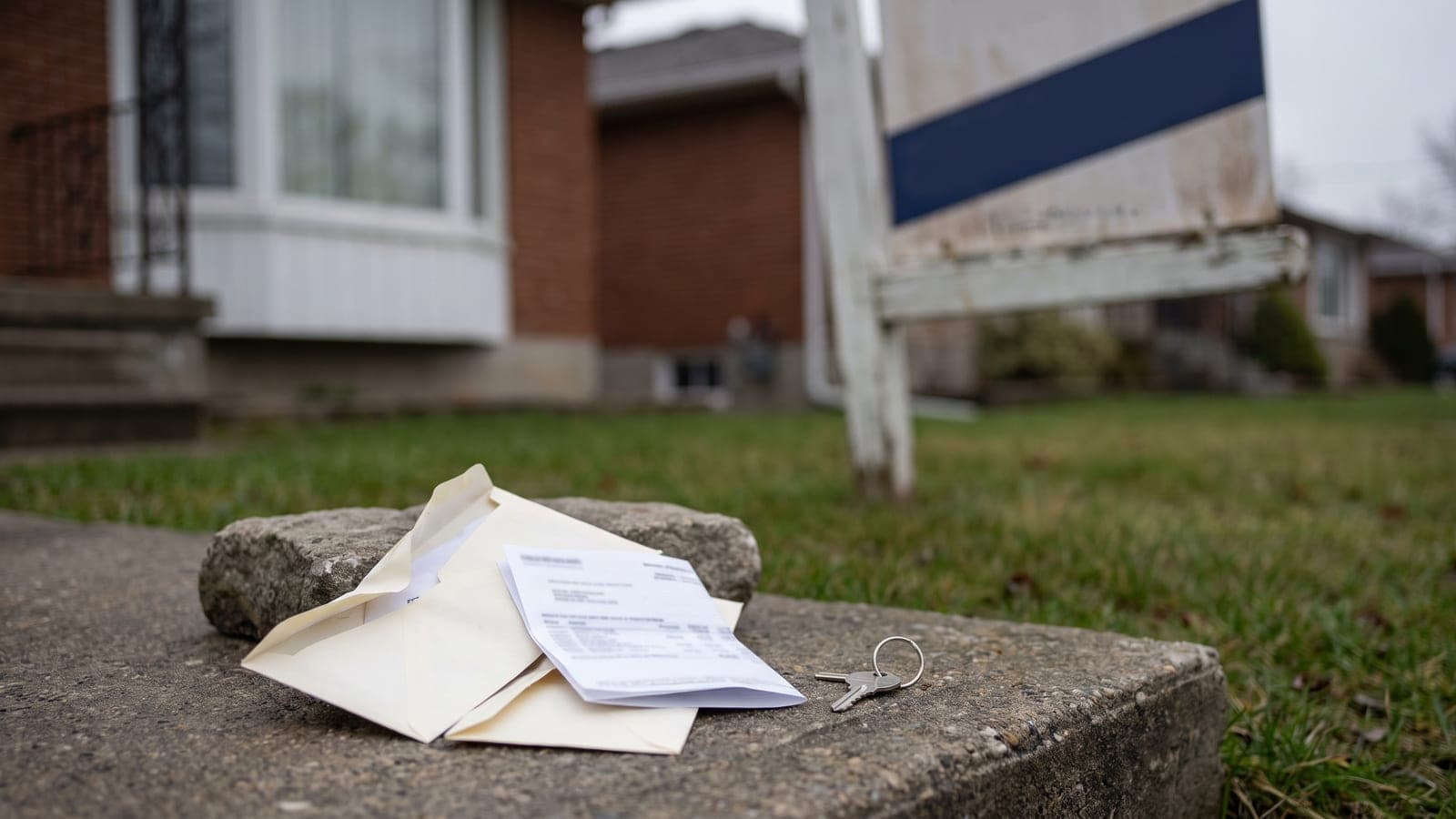
Power of sale in Ontario: how it works, and how to stop it
 Caleesis TeleshFounder & Principal Lawyer
Power of sale is the remedy behind almost every lender's letter in Ontario. It does not need a judge, it does not need a trial, and it can move from a missed payment to a listing in fifty days. It also has more rules than lenders like to mention, and each of those rules is a place where a borrower who acts in time can stop it. Here is the process from the lender's side, and the levers from yours.
Where the power comes from
A power of sale is a clause in the mortgage. Every standard charge term registered in Ontario contains one, and it says that on default the lender may sell the property and apply the proceeds to the debt. The Mortgages Act does not create the power for most borrowers; it regulates it. Part III of the Act sets the notice the lender has to give, who has to receive it, and the minimum periods that have to pass. Section 38 makes those rules paramount: no mortgage document can shorten them.
For the rare mortgage with no power of sale clause at all, Part II of the Act supplies one. Section 24 gives the lender a statutory power after three months of default, and section 26 requires forty-five days' notice instead of thirty-five. If your mortgage was drafted by the lender and never registered with standard charge terms, ask a lawyer which Part applies before you count days.
The timeline, step by step
- Day 0: the default. A missed payment, an unpaid property tax bill the lender has to cover, a lapsed insurance policy, or a second mortgage registered without consent. Any of them is a default under the standard charge terms, and most of them accelerate the whole balance.
- Day 15: the earliest Notice of Sale. Section 32 forbids notice until the default has continued for at least fifteen days. The notice goes to you, to every later mortgagee, to execution creditors, and to anyone else with a registered interest, under section 31.
- Day 15 to day 50: the redemption period. Section 32 forbids a sale for at least thirty-five days after the notice is given. Section 34 says a notice sent by registered mail is given on the day it was mailed. Section 42 stops the lender from starting any court action during this period without leave of a judge.
- Day 50 onward: the listing and the claim. The lender lists the property and, in the same week, usually issues a statement of claim for possession and for the debt. You have twenty days to defend the claim.
- Closing. The lender signs the transfer as your attorney under the charge terms, the buyer takes title, and section 35 makes the lender's statutory declarations conclusive evidence that the process was followed. The purchaser's title cannot be attacked afterwards, though section 36 leaves you a claim against the lender if the process was defective.
Every date in that list runs from the first missed payment, and the power of sale timeline calculator lays them out from yours. The fifteen and thirty-five day periods are minimums. A bank with a hardship program may wait ninety days before its lawyer sends anything. A private lender whose one-year term has expired may send the notice on day sixteen.
What the lender owes you during the sale
The lender is selling your asset, and Ontario courts have held for decades that it has to act in good faith and take reasonable precautions to obtain fair market value. That is the standard from Oak Orchard Developments v. Iseman, affirmed by the Court of Appeal in Manufacturers Life v. Granada Investments. In practice it means an appraisal before listing, a listing on the open market for long enough to be tested, and a price the lender can explain against the comparables. The Court of Appeal's 2023 decision in RCML Corp. v. 2524258 Ontario Inc. shows the safe harbour: eleven months on the market, more than fifty showings, and a price within the appraisal range defeated the borrower's complaint.
A lender cannot sell to itself. The Court of Appeal in 1173928 Ontario Inc. v. 1463096 Ontario Inc. reaffirmed the old rule that a mortgagee exercising a power of sale cannot be the purchaser, itself or through a related company. A quick private sale to an insider, a listing at a price designed to attract a single bidder, or a sale with no appraisal are the facts that make a sale improvident, and an improvident sale reduces or wipes out any shortfall the lender later tries to collect.
When the sale closes the money is applied in order: the lender's costs of the sale, the mortgage debt with interest, then any later mortgages and executions, then you. A surplus is yours and the lender has to account for it. A shortfall is a debt you still owe, and the lender can sue for it.
Four ways to stop it
1. Reinstate under section 22
Section 22 of the Act says that despite anything in the mortgage, and even after the lender has accelerated the whole balance, you can pay the arrears plus the lender's necessary expenses at any time before a sale or before a court action is started, and the default is cured. The mortgage carries on. The lender cannot refuse the money. This is the single most important sentence in the Act for a homeowner, and it is the reason to send the section 22(2) request for a written statement of arrears on the day you miss a payment: the lender has fifteen days to answer, its enforcement rights are suspended until it does, and the answer is the figure you need to raise.
The lender's expenses are part of the figure, and they are not whatever the lender's lawyer writes down. Section 43(4) lets any interested person have the lender's costs of a power of sale assessed by an assessment officer without a court order. A notice that claims $9,000 in legal fees for a form letter is a notice worth assessing.
2. Redeem in full
If reinstatement is not on offer because the term has expired and the lender will not renew, the alternative is to pay the whole balance out. That means a refinance with another lender, and the timing is the problem: a new first mortgage takes three to six weeks to close, which is about the length of the redemption period. Under section 43(1) the lender is bound to accept payment made on the terms of its own notice, so a closing date that lands inside the thirty-five days stops the sale. A closing date that lands a week after it does not, unless the lender agrees in writing to wait.
3. Sell it yourself
A homeowner's own listing nets more than a lender's, almost without exception, because the lender's legal and administrative costs come off the top of a power of sale and because a lender is selling to be rid of the file rather than to get the best price. If the arithmetic says you cannot carry the mortgage, the sale window is the thing to negotiate: a written agreement that the lender will not list while your listing is live and a firm closing is in sight. Lenders agree to this often, because it gets them paid in full without a lawsuit. The options before the notice arrives cover the same choice from the other end.
4. Challenge the process
A notice given before the fifteen days ran, a notice that misstates the arrears, a notice that did not go to a later mortgagee entitled to it, or a sale started inside the thirty-five days is a defective exercise of the power. Section 36 protects the purchaser's title once the sale has closed, but before closing a defective notice can be set aside and the lender sent back to the beginning, which buys the time that reinstatement or a refinance needs. After closing it becomes a damages claim against the lender. Either way, keep the envelope. The postmark is evidence of when the notice was given.
What happens to tenants and to a second mortgage
If the house is tenanted, section 47 of the Act makes a lender that takes possession the landlord under the tenancy, and a buyer under power of sale takes subject to it. A residential tenant does not lose their lease because the owner defaulted. The exception is section 52, which lets the lender apply to set aside a tenancy the owner created after default to discourage the lender or reduce the value of the house. A lease signed to a relative the week the notice arrived is exactly what that section was written for.
A second mortgagee is entitled to the Notice of Sale under section 31 and can redeem the first mortgage itself to protect its position. It can also start its own power of sale on its own default, even while the first mortgage is current. If you have two mortgages and only one is in arrears, both lenders' letters need reading.
Why lenders choose this over foreclosure
Foreclosure is a court action under rule 64 of the Rules of Civil Procedure, it takes months, it gives every later encumbrancer a right to redeem, and at the end of it the lender owns the house and has given up its claim for any shortfall. Power of sale needs no judge, takes fifty days at the minimum, and leaves the lender free to sue for whatever the sale did not cover. The two remedies compared explains when a borrower would prefer one to the other, and when a lender might.
Everything above is the law as it stands in August 2026. The periods in section 32 have not changed since the current Act was consolidated in 1990.
The fifty days are short, and they are shorter if you spend the first fifteen hoping the lender will not notice. A lawyer who sees the file in the first week can send the section 22 request, assess the lender's costs, hold the lender to the timeline, and negotiate a sale window in writing. If you have received a notice or expect one anywhere in the GTA or Ontario, Telesh Law Firm Professional Corp can review it and tell you where you stand, and you can read more about how we handle civil litigation.
- Ontario courts
- Deadlines
- Step-by-step guide
This article is general information, not legal advice, and does not create a solicitor-client relationship. It is current as at its publication date and is not revised as the law changes. For advice on your specific situation, book a consultation or call 416-639-0887.
LL.B.B.A., York UniversityMember, Law Society of Ontario
Have a civil litigation matter of your own?
Every file turns on its own facts. Bring yours to a consultation and leave with a read on your position, not a brochure.