What happens if you can't pay your mortgage in Ontario
 Caleesis TeleshFounder & Principal Lawyer
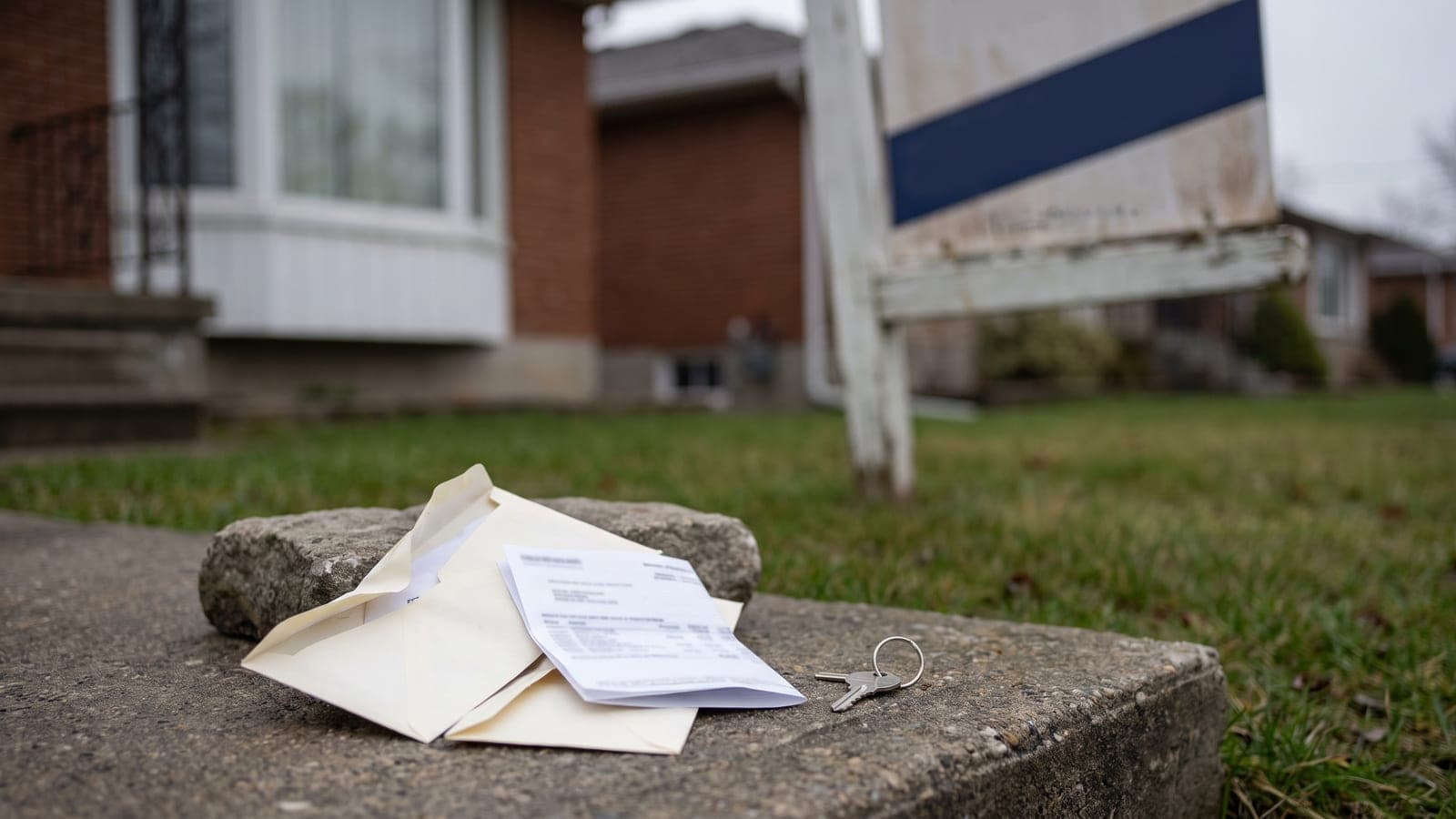
The payment did not go through, and the first instinct is to say nothing and catch up next month. Most people who lose a house in Ontario followed that instinct for three or four months. The lender's process runs on a short statutory clock, and every option you have gets narrower as it runs. This is what happens, in order, and where you still have a say.
The first missed payment starts a fifteen-day clock
In Ontario almost every mortgage is enforced by power of sale rather than by foreclosure, and the timing comes from the Mortgages Act. Section 32 says the lender cannot give you a Notice of Sale until your default has continued for at least fifteen days, and cannot sell for at least thirty-five days after the notice is given. Add those together and the statutory minimum from a missed payment to a sale is fifty days. Few banks move that fast. Private lenders often do.
Before any of that, the practical consequences arrive on their own. A returned payment carries an NSF fee from the lender and usually another from your bank. Most standard charge terms let the lender charge its administrative costs to the mortgage, so the arrears grow by more than the missed payment. After thirty days the missed payment is reported to the credit bureaus, and it stays on your file for six years. None of this needs a lawyer yet. All of it is a reason to call the lender before it calls you.
What the lender can offer, and what it has to
If your lender is a bank or another federally regulated institution, the Financial Consumer Agency of Canada expects it to offer tailored relief to a homeowner in severe financial difficulty on their principal residence. The FCAC guideline names the measures: waiving prepayment penalties, waiving internal fees, not charging interest on interest, and extending the amortization to bring the payment down. Between July 2023 and June 2024 the agency counted more than 8,000 relief measures granted. They exist. You have to ask, and you have to ask early, because a lender that has already sent the file to its lawyer has fewer reasons to say yes.
- Capitalizing the arrears. The missed payments get added to the principal and you start fresh. Your payment goes up a little, the default ends, and nothing is reported as an ongoing delinquency.
- Extending the amortization. Spreading the same balance over more years lowers the payment. It costs more interest over the life of the loan, which matters less than keeping the house this year.
- A payment deferral or a special payment arrangement. A few months of reduced or skipped payments, with the shortfall added to the balance. Documented in a short forbearance letter that you should read before signing.
- A blend-and-extend or an early renewal. If the trouble is a rate that is about to reset, an early renewal at today's rate with a longer amortization is sometimes the whole fix.
A private lender or a mortgage investment corporation is not covered by the FCAC guideline and has no obligation to offer any of this. Some will, because a sale is expensive for them too. Most private mortgages are one-year terms at rates a bank would never charge, and the renewal itself is where the trouble starts. If that is your situation, read what a private or B-lender mortgage looks like in default before you call.
Your legal right to catch up, and the deadline on it
This is the part of the Mortgages Act that most borrowers never hear about. Section 22 says that whatever the mortgage document provides, and even after the lender has demanded the whole balance, you can pay the arrears plus the expenses the lender has necessarily incurred at any time before a sale or before the lender starts a court action, and the default is cured. The lender has to take the money and the mortgage carries on as if nothing happened. You do not have to pay off the whole loan. You have to pay what you missed and the lender's costs of dealing with it.
Section 22 also lets you demand a written statement of exactly what you are in default for and what the lender's expenses are. The lender has fifteen days to answer, and until it does, its right to enforce the mortgage is suspended. Send that request the day you know you are going to miss a payment. The reply is the figure you are working to, and it is the figure a lawyer checks against the lender's costs, which section 43 lets you have assessed if they look inflated. The power of sale timeline will estimate the arrears from your payment and the date you missed it, but only the lender's statement is the number to pay.
The Notice of Sale, and the thirty-five days after it
Once the default is fifteen days old the lender's lawyer can send a Notice of Sale. It comes by registered mail or by hand, and under section 34 a mailed notice counts as given on the day it was mailed, not the day you sign for it. From that day the lender has to wait thirty-five days before it can sell, and under section 42 it cannot start a court action against you during that period without a judge's permission. Those thirty-five days are your redemption period. Everything in what to do when a Notice of Sale arrives happens inside it.
After the notice: possession, sale, and what is left
When the redemption period expires the lender does two things, usually in the same week. It lists the property, and it issues a statement of claim in the Superior Court for possession and for the debt. A statement of claim gives you twenty days to defend under rule 18.01 of the Rules of Civil Procedure, and missing that deadline means default judgment, a writ of possession, and the sheriff. The claim is a separate document from the notice, with its own clock, and the first twenty days after service apply to it as they would to any other lawsuit.
The lender then sells. It has a duty to take reasonable steps to get fair market value, which in practice means an appraisal, a listing on the open market, and a sale price it can defend. The proceeds pay the lender's costs, the mortgage, and any later mortgages, and whatever is left comes back to you. If the sale does not cover what you owe, the lender can sue you for the shortfall, and that claim has a ten-year limitation period, not the two years most people assume.
The alternative the lender almost never picks is foreclosure, where it takes the house itself instead of selling it and gives up the right to chase a shortfall. Power of sale and foreclosure look similar from the kitchen table and end very differently.
Selling it yourself is usually the better sale
A homeowner who lists in the first month, with a realtor they chose and a closing date they set, almost always nets more than a lender selling under power of sale with its legal costs on top. If the numbers say you cannot keep the house, that is the conversation to have in week two, not week ten. A lender will hold off on a sale while your own listing is live and a closing is in sight, and a lawyer can get that in writing. The equity you keep by selling on your own terms is often the difference between a fresh start and a deficiency judgment.
Refinancing runs on the same logic. A second mortgage or a private first mortgage to clear the arrears buys time, at a price. It makes sense when the problem is temporary and the rate you can get is one you can carry. It makes no sense as a way of paying this year's mortgage with next year's, and a broker who suggests it without asking what changed is not the broker to use.
Why a consumer proposal does not stop this
Bankruptcy and consumer proposals deal with unsecured debt. A mortgage is secured by the house, and under the Bankruptcy and Insolvency Act a secured creditor keeps its security and its remedies. A proposal can clear the credit cards and the line of credit, which may free up enough cash to carry the mortgage. It does not stop a Notice of Sale that is already running, and a trustee who tells you otherwise has misunderstood the file. Talk to a lawyer about the mortgage and a trustee about the rest, in that order.
What to do this week
- Write down the due date of the first payment you missed. Every period in the Act runs from it. Put the fifteenth day and the fiftieth day in your calendar.
- Send the section 22 request in writing. Ask the lender for a statement of the arrears and its expenses. Keep proof of when you sent it.
- Call the lender's hardship line, not the collections line. Ask for the relief measures by name. Write down who you spoke to and what they said, and ask for it by email.
- Pull your last statement and your commitment letter. The rate, the term, the prepayment clause and the default clause are what a lawyer reads first.
- Decide whether you can carry the payment for the next twelve months. If the answer is no, a sale on your terms beats a sale on the lender's.
- Do not sign anything from the lender's lawyer without reading it. A forbearance agreement usually includes an acknowledgment of the debt and a consent to judgment. Both are negotiable before you sign and near impossible after.
Everything above is the law as it stands in August 2026. The Mortgages Act periods have not changed in decades, and the FCAC guideline has been in force since July 2023.
The decisions that decide whether you keep the house or keep your equity get made in the first month, before the notice arrives. That is where a lawyer earns the fee: reading the lender's statement, holding the lender to section 22, and getting a forbearance or a sale window in writing. If you are behind on a mortgage anywhere in the GTA or Ontario, Telesh Law Firm Professional Corp can tell you where you stand, and you can read more about how we handle civil litigation.
- Step-by-step guide
- Deadlines
- Cost & fees
This article is general information, not legal advice, and does not create a solicitor-client relationship. It is current as at its publication date and is not revised as the law changes. For advice on your specific situation, book a consultation or call 416-639-0887.
LL.B.B.A., York UniversityMember, Law Society of Ontario
Have a civil litigation matter of your own?
Every file turns on its own facts. Bring yours to a consultation and leave with a read on your position, not a brochure.