Private and B-lender mortgages: default, renewal shock, and the rights you still have
 Caleesis TeleshFounder & Principal Lawyer
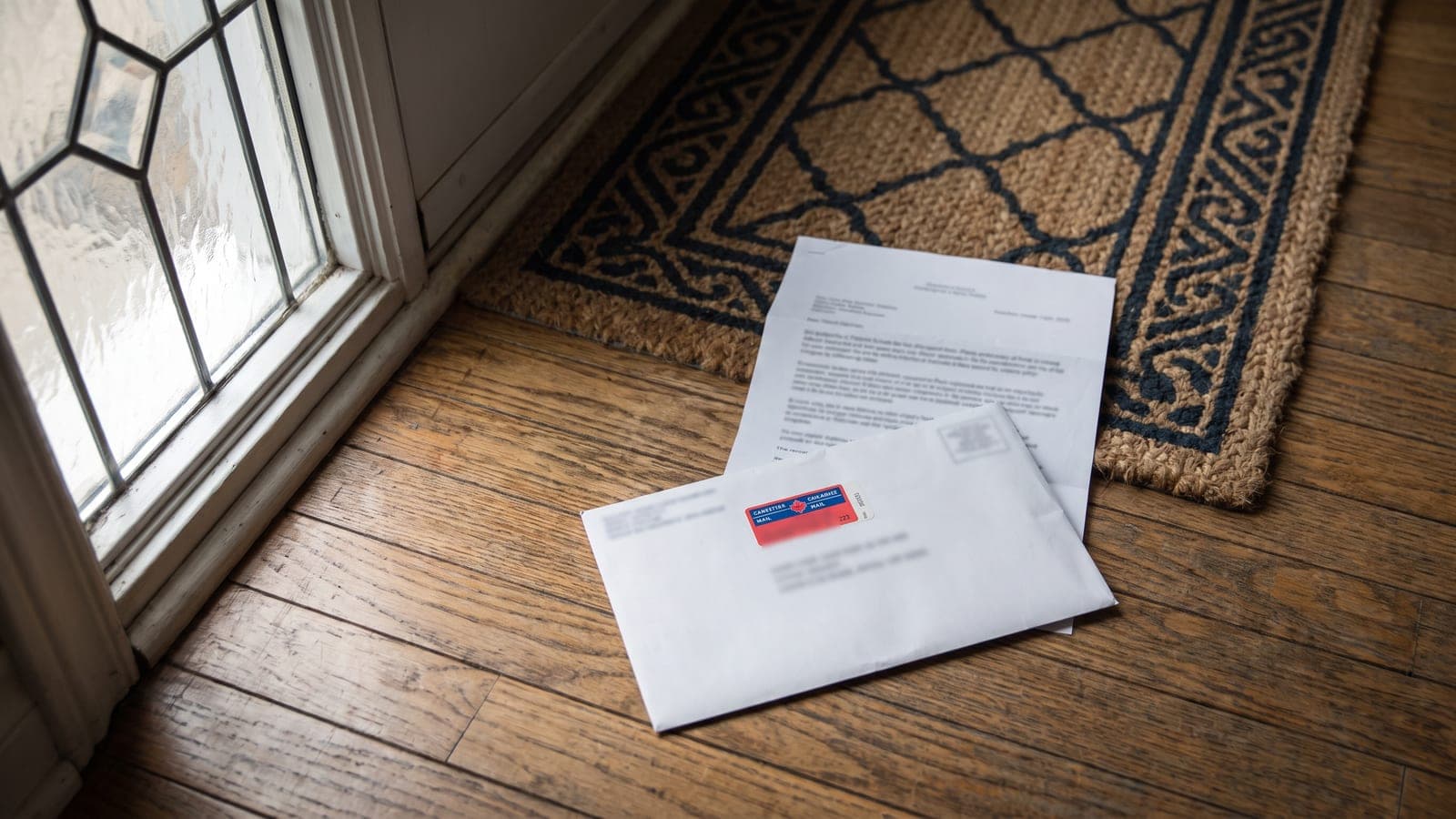
The private mortgage was supposed to be a bridge. Twelve months at a high rate while the credit recovered or the business sold, then back to a bank. Then the year ended, the bank said no, and the renewal letter came with a new lender fee, a higher rate, and a deadline. This is the point at which most private mortgages go into default, and it is the point at which the borrower has more rights than the letter suggests.
How a private mortgage is built to fail
A bank mortgage is a twenty-five year amortization in five-year terms, priced to be renewed. A private mortgage is a one-year term, interest-only or close to it, priced to be paid out. The rate is two to four times a bank's. The lender fee and the broker fee, together, run from one to three per cent of the principal and are taken off the advance, so a $300,000 mortgage puts $291,000 in your account and you owe $300,000. The commitment letter usually provides that a renewal, if the lender offers one, carries a fresh fee.
None of this is illegal, and a lender that discloses it has met its obligations under the Mortgage Brokerages, Lenders and Administrators Act. What it means is that a private mortgage does not go into default because you missed a payment. It goes into default because the term expired, the balance came due in full, and the exit you were counting on did not arrive. From that day the lender's remedy is the same power of sale a bank would use, on the same fifteen and thirty-five day clock, and private lenders use it faster.
Renewal shock, with a bank and without one
The arithmetic is the same problem in a milder form for a bank borrower. A $500,000 balance with twenty years left, moving from 2.49 per cent to 5.49 per cent at renewal, goes from $2,644 a month to $3,419. The mortgage renewal calculator will run your own figures. A bank will almost always renew an existing borrower without requalifying, which is the single most valuable thing about staying with one. A private lender is under no such obligation and renews only if it wants to, at whatever rate and fee it chooses.
The exit from a private mortgage is a bank or a B-lender that will refinance you, and the exit takes longer than people plan for. A B-lender application needs income documents, an appraisal, and three to six weeks. Start it in month eight of a twelve-month term, not month twelve. If the private lender's renewal letter arrives before the B-lender's commitment, read the renewal for what it asks you to sign, and do not sign it because it seems like the only option.
What the Interest Act forbids
The Interest Act is federal, short, and older than the province's mortgage law, and three of its sections do real work on a private mortgage.
- Section 8: no penalty rate on arrears. A lender cannot charge a fine, a penalty, or a higher rate of interest on money in arrears than the rate on the principal not in arrears. A clause that says the rate rises from 11 per cent to 18 per cent on default, or that adds a default fee calculated as interest, is unenforceable to that extent. Many private commitment letters contain one anyway.
- Section 10: prepayment after five years. Once a mortgage is more than five years old, an individual borrower can pay it off on three months' interest in lieu of notice, whatever the penalty clause says. It does not apply to a corporate borrower, and it rarely helps with a one-year private term, but a private mortgage that has been renewed five times is five years old.
- Section 6: the rate has to be stated. A blended-payment mortgage must state the principal and the rate calculated yearly or half-yearly, not in advance, or no interest is recoverable on it. Private mortgages are usually interest-only, which section 6 does not reach, but a private mortgage with blended payments and no compliant statement is a mortgage on which the lender may not be able to collect interest at all.
Section 8 is the one that comes up most. A private lender's Notice of Sale that claims interest at a default rate, plus a renewal fee for a renewal that never happened, plus an administration fee for each missed payment, is a notice with three challengeable items in it. Section 43(4) of the Mortgages Act lets you have the lender's costs of the power of sale assessed without a court order, and section 22(2) lets you demand a written statement of the arrears and expenses, which the lender has fifteen days to answer while its enforcement rights are suspended.
What the lender's lawyer can charge
The standard charge terms let the lender add its costs of enforcement to the mortgage, and private lenders' lawyers price for it. A Notice of Sale that claims $4,000 in legal fees on the day it is sent, a $1,500 administration fee, and a $750 discharge fee is not unusual. All of it is assessable. An assessment officer will allow what was reasonable and necessary, and a form letter is not $4,000 of work. The arrears you have to pay to reinstate under section 22 are the arrears plus the expenses the lender has necessarily incurred, and necessarily is a word the courts enforce.
Reading the commitment letter, and the renewal
The commitment letter is the contract. Before signing a private mortgage, or a renewal of one, a lawyer reads it for five things.
- The term and what happens at the end of it. Whether the lender is obliged to renew, on what terms, and with what fee. A letter that says renewal is at the lender's sole discretion means you are refinancing elsewhere in twelve months, and the plan has to say how.
- The default clause. Which events are defaults, whether the whole balance accelerates, and whether a default rate is charged. Anything that raises the rate on arrears runs into section 8 of the Interest Act.
- The fees. Lender fee, broker fee, administration fee, discharge fee, renewal fee, NSF fee, and the legal fees the lender charges you for its own lawyer. Each one is a line the lender will claim later.
- The prepayment clause. Most private mortgages are closed for the first three to six months and open after. Knowing when you can pay out without a penalty is what decides when the refinance closes.
- Who the lender is. A mortgage investment corporation, a syndicate of individuals, or a single private lender. Syndicated private mortgages have their own disclosure rules under the Mortgage Brokerages, Lenders and Administrators Act, and a lender that cannot say who holds the mortgage is a lender to walk away from.
A broker owes you duties too. Ontario's mortgage broker regulation requires the broker to assess suitability, disclose the cost of borrowing, and disclose any relationship with the lender. A broker who placed you in a twelve per cent private mortgage when a B-lender at seven would have taken you, and who is paid by the private lender, has a problem that a lawyer can raise with the Financial Services Regulatory Authority and, sometimes, in the litigation.
When the private lender moves
A private lender's Notice of Sale usually arrives within weeks of the term expiring. The thirty-five days that follow are the same as for any lender, and section 22 reinstatement is not available if the default is the expiry of the term rather than a missed payment, because there are no arrears to pay, only the whole balance. The remedies are redemption, meaning a refinance that closes inside the period, a sale on your own terms with the lender's written agreement to wait, or a challenge to the notice and the costs that buys time for either.
Private lenders sell fast and sell cheap, and a private lender's sale is more likely to be improvident than a bank's. An appraisal, a proper listing, and a price within the range are the lender's duty, and a sale that skips them is the defence to a shortfall claim afterwards. Keep every piece of paper about the listing.
Everything above is the law as it stands in August 2026. The Interest Act sections have not changed in substance since 1897.
The two moments that decide a private mortgage are the day you sign the commitment letter and the day the renewal letter arrives, and a lawyer at either one is cheaper than a lawyer at the Notice of Sale. If you are holding a private or B-lender commitment, a renewal, or a notice anywhere in the GTA or Ontario, Telesh Law Firm Professional Corp can read it and tell you what the lender can and cannot enforce, and you can read more about how we handle civil litigation.
- Cost & fees
- Evidence & documents
- Rule changes
This article is general information, not legal advice, and does not create a solicitor-client relationship. It is current as at its publication date and is not revised as the law changes. For advice on your specific situation, book a consultation or call 416-639-0887.
LL.B.B.A., York UniversityMember, Law Society of Ontario
Have a civil litigation matter of your own?
Every file turns on its own facts. Bring yours to a consultation and leave with a read on your position, not a brochure.