01
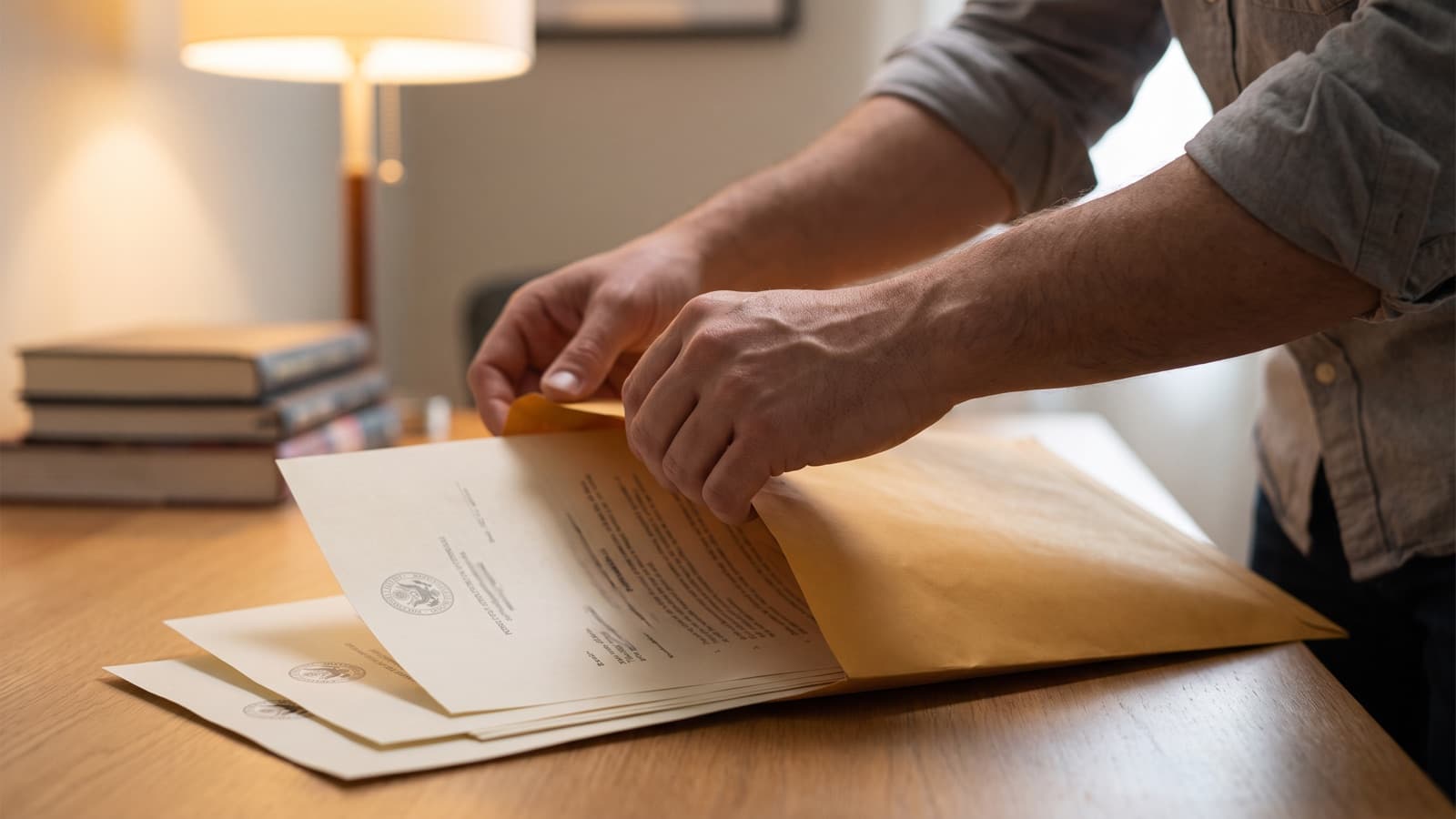
A process server came to the door
Someone handed you, or an adult at your home, a claim with a court name and a file number on it.
If you were served with a statement of claim in Ontario, you generally have 20 days to deliver a defence. We confirm your deadline, answer the claim allegation by allegation, and file before you can be noted in default.




A statement of defence answers a claim paragraph by paragraph. You admit what is true, deny what is not, and say which facts you do not know. Then you set out your own version and every defence you rely on, including a limitation defence if the claim came too late.
In the Superior Court of Justice it is Form 18A. In Small Claims Court it is a defence, Form 9A. Anything left unanswered can be taken as admitted, and a defence you leave out may be one you cannot raise later.
Someone handed you, or an adult at your home, a claim with a court name and a file number on it.
They say you owe money or did poor work, and you have records that tell a different story.
The claim was left with a director, an officer, or the person in charge at your place of business.
The plaintiff owes you too, and the counterclaim belongs in the same document as your defence.
In the Superior Court of Justice, the defence is due 20 days after service if you were served in Ontario, 40 days if you were served elsewhere in Canada or in the United States, and 60 days if served anywhere else. A notice of intent to defend, delivered within that time, adds 10 days.
In Small Claims Court, the defence is due 20 days after you are served. The Small Claims rules set no longer period for service outside Ontario and have no notice of intent to defend.
Miss the date and the plaintiff can have you noted in default. You are then taken to admit the facts in the claim and cannot take any step except a motion to set the default aside. On a claim for a fixed sum, judgment can follow without a hearing. Until you are noted in default, a Superior Court defence can still be delivered.
Source: Rules of Civil Procedure, rr. 18.01, 18.02, 19.01, 19.02 and 19.04; Rules of the Small Claims Court, rr. 9.01, 11.01, 11.02 and 11.05.
We confirm the court, the date and manner of service, and the exact day your defence is due.
We report the claim to any insurer that may owe you a defence and preserve the records it turns on.
We admit, deny, or plead no knowledge of each allegation, and add every defence and counterclaim you have.
We serve the plaintiff and file with the court on time, or get a written extension before the date passes.
Gather what you have. A missing document is no reason to wait, least of all with a deadline running.
“Telesh Law Firm provides outstanding legal services. The team is highly knowledgeable — I would highly recommend.”
“The team here is so nice! They understood my needs and made me feel heard. I will definitely come back if I am in need of legal help again.”
In the Superior Court of Justice, 20 days after service if you were served in Ontario, 40 days if served elsewhere in Canada or the United States, and 60 days if served anywhere else. A notice of intent to defend, delivered within that time, adds 10 days. In Small Claims Court, the defence is due 20 days after service.
Not until you are noted in default. In the Superior Court, you can still deliver a defence at any time before that happens. After it, you cannot take any step in the case except a motion to set the default aside, and you are taken to admit the facts in the claim. Call the day you realize the date has passed.
Often, yes. In the Superior Court, the plaintiff can agree to extend the deadline, and the consent is filed with the court. Ask before the date passes and get the answer in writing. A notice of intent to defend also buys 10 days.
Yes. A claim with no answer is treated as admitted, however weak it is. The defence is where you say what is wrong with it, and leaving an allegation unanswered can count as admitting it.
It might. Home, tenant, auto, and business liability policies can require the insurer to defend you. Report the claim to your insurer or broker straight away and send them a copy. Late notice is a common reason for a denial.