Winter driving in Ontario: how to stay safe and avoid fines
 Caleesis TeleshFounder & Principal Lawyer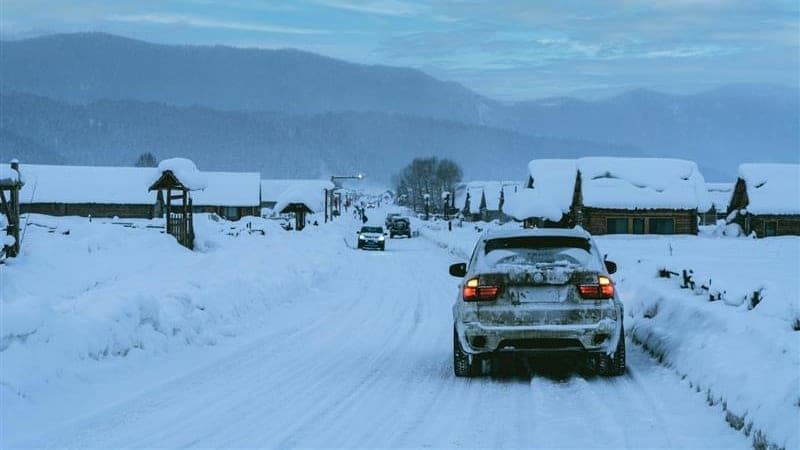
Ontario winters punish sloppy driving, and the Highway Traffic Act does not make allowances for weather. Most of the rules that matter in winter carry set fines, and a few have changed in the last couple of years, including the collision reporting threshold and the penalty for passing a working snowplow. Here is what the law requires and what it costs to ignore it.
Get your vehicle ready
Winter tires
- Not mandatory, but worth it: Ontario does not require winter tires, unlike Quebec. They are still the best single upgrade you can make for traction on snow and ice.
- Insurance discount: since January 1, 2016, every auto insurer in Ontario has been required to offer a winter tire discount, typically 2 to 5 per cent. The tires need the peaked mountain and snowflake symbol, and most insurers want all four installed by early November.
Lights
- The Highway Traffic Act requires headlights from half an hour before sunset to half an hour after sunrise, and any time you cannot see people or vehicles 150 metres ahead. Heavy snowfall counts.
- Fine: driving without proper lights runs about $110 once surcharges are added. A burned-out headlight or taillight draws a ticket too, so check them while you clear the car.
Snow and ice on the vehicle
- Obstructed view: driving with your windshield or windows blocked is an offence under section 74 of the Highway Traffic Act. The set fine is $85, roughly $110 by the time it reaches your wallet. Clearing a porthole in the windshield does not count.
- Clear the roof and hood as well. Snow sliding onto your own windshield at speed is dangerous, and in a bad enough case ice flying off at another driver can support a careless driving charge.
Winter rules on the road
Speed
- Posted limits assume good conditions. On a snow-covered road, driving the limit can still get you charged with careless driving if you lose control and something goes wrong. Slow down before the road makes you.
Snowplows
- Since 2023 it has been illegal to pass snowplows working side by side in echelon formation on highways posted at 80 km/h or more, unless there is a full lane clear of the plows and their blades.
- Fine: $150 to $1,000 on conviction. Stay back and let them work. The road behind a plow is in better shape than the road in front of it.
Watch for winter parking bans
- Most municipalities ban on-street parking during declared snow events so plows can get through. Fines vary by city, and they are climbing. Toronto raised its fine for parking on a snow route during a major snowstorm to $500, and the car gets towed on top of that.
- Fire hydrants and marked snow routes are the usual trouble spots. If your city has declared a snow event, get the car off the street.
If you are in a collision
- Stop. Leaving the scene of a collision is an offence, and depending on the facts it can be a criminal one.
- If the vehicles are drivable and nobody is hurt, move out of live lanes and turn on your hazard lights.
- Exchange names, contact details, insurance information, and plate numbers with the other driver.
- When to involve police: report the collision if anyone is injured or if the total property damage looks like more than $5,000. That threshold went up from $2,000 on January 1, 2025. Below the threshold, with no injuries, you can usually attend a collision reporting centre instead of calling police to the scene.
Habits that keep you out of trouble
- Leave more following distance than feels natural. Six seconds on a slippery road is not excessive.
- Brake, steer, and accelerate gently. Abrupt inputs are how skids start.
- Build in extra travel time. Most winter speeding happens because someone left late.
- Keep a small kit in the car: flashlight, blanket, water, snacks, and a phone charger.
None of this is complicated. Clear the car, put the lights on, slow down, and know the reporting rules before you need them. If you have already picked up a ticket you think was unfair, it is often worth fighting, because a conviction can cost you more in insurance than the fine itself. Telesh Law Firm handles Highway Traffic Act charges. Call us before you just pay it.
- Ontario courts
- Cost & fees
This article is general information, not legal advice, and does not create a solicitor-client relationship. It is current as at its publication date and is not revised as the law changes. For advice on your specific situation, book a consultation or call 416-639-0887.
LL.B.B.A., York UniversityMember, Law Society of Ontario
Have a traffic and provincial offences matter of your own?
Every file turns on its own facts. Bring yours to a consultation and leave with a read on your position, not a brochure.