Why "I Have Two Years" Is the Most Dangerous Assumption in an Ontario Insurance Dispute
 Caleesis TeleshFounder & Principal Lawyer

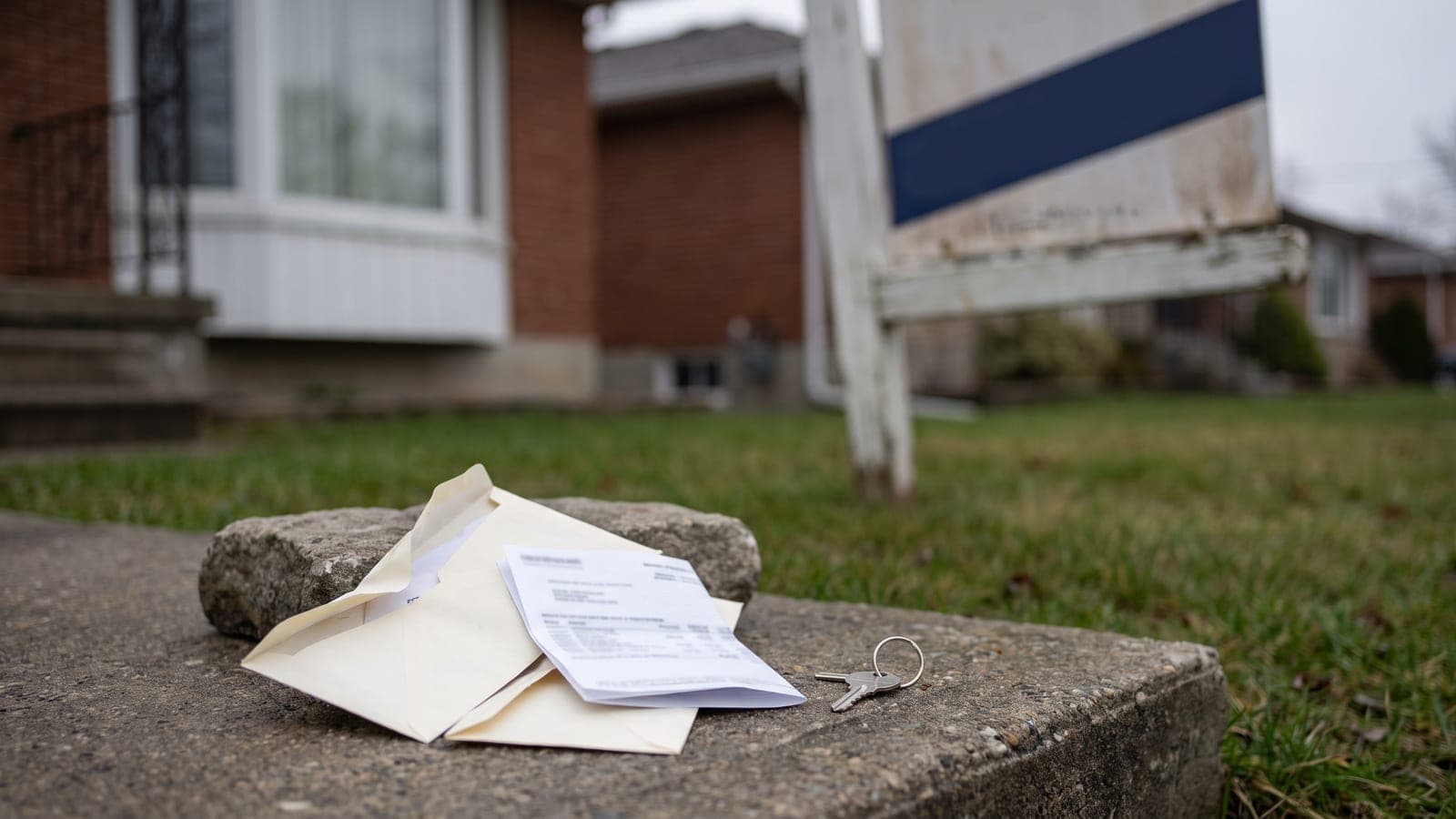
Consider a business owner whose commercial building suffers significant water damage. The loss is reported to the broker immediately, and the insurer starts investigating the claim. Over the next several months, the insurer pays out a portion of the claim for lost rental income while it keeps investigating. The insured cooperates with every document request and never once considers suing while the file still seems to be moving toward a resolution. Then, nearly six months after the flood, a letter arrives denying what's left of the claim, citing a policy exclusion that was never raised before. The owner assumes the two-year clock everyone talks about starts there, at the denial, and starts a lawsuit within that window. However, the claim may already be out of time.
This illustration resembles the limitation issue faced by a commercial policyholder in one of the Ontario Court of Appeal's rulings on insurance limitation periods and it is a useful warning against treating "two years" as a fixed, dependable number.
The start of the countdown
Section 4 of the Limitations Act, 2002 generally requires a proceeding to be started within two years after the claim is discovered. Section 5 asks when the claimant knew, or a reasonable person in their circumstances ought to have known, that a loss occurred, that it was caused or contributed to by an act or omission of the defendant, and that a proceeding would be an appropriate means to seek a remedy. Section 5(2) presumes this knowledge on the day of the act or omission on which the claim is based, unless the contrary is proved. A policyholder should not assume that discovery always waits until the insurer formally refuses to pay.
Nasr Hospitality Services Inc. v. Intact Insurance, 2018 ONCA 725 illustrates the danger. The majority rejected an attempt to treat the insurer's handling of the claim as postponing the date when litigation became an appropriate remedy. Nasr had conceded that the insurer's conduct did not support promissory estoppel—a legal principle that can prevent a party from going back on a promise. The court would not use that same conduct to postpone discovery of the claim.
Justice Feldman dissented, emphasizing that the relevant breach was the insurer's failure to meet its obligations under the policy, rather than the flood itself. The majority's reasoning depended on the facts and concessions in that case; it should not be read as establishing the same start date for every insurance claim. The practical lesson is to get the deadline assessed while the claim is being handled, rather than assume a denial letter will start the clock.
None of this means Ontario law wants policyholders sprinting to the courthouse the moment something goes wrong. In Presidential MSH Corporation v. Marr Foster & Co. LLP, 2017 ONCA 325, the Court of Appeal considered an accountant’s efforts to help resolve a loss through a CRA objection process. The court held that proceedings against the accountant were not yet an appropriate means of seeking a remedy while that process remained available in the circumstances. That professional-negligence case does not mean routine insurance negotiations postpone a deadline. The facts, the policy and any applicable agreement all need to be considered.
A one-year clock hiding in the policy
Some claims are subject to a shorter period. Statutory Condition 14 in section 148 of Ontario’s Insurance Act provides a one-year period after loss or damage for contracts within its scope. That statutory period is preserved by section 19 and the Schedule to the Limitations Act. But the scope of the fire-insurance provisions matters: not every property policy is governed by that condition as a matter of statute. Separately, section 22 of the Limitations Act permits certain contractual changes to limitation periods in business agreements. A commercial policy and a consumer homeowner policy should not be treated as interchangeable; the wording and applicable law must be checked.
Why "we were still talking" is not enough
A closely related misconception is that ongoing negotiations, or a formal complaint, automatically pause the clock. They should not be assumed to do so. A legally effective agreement, an applicable statutory provision or conduct giving rise to an estoppel may affect the position, but an open claim file alone is not a reliable reason to delay. Get advice about preserving the claim while discussions continue.
What this means in practice
None of this means Ontario policyholders never get two years. It means two years is a starting assumption, not a guarantee. Record the date of loss, the reporting date and the insurer’s responses, and check the policy’s “action” or “legal proceedings” clause promptly. Do not assume the deadline runs from the denial letter—or from the reporting date. None of that requires filing a lawsuit the day a loss occurs. It does mean getting an early, specific answer about which deadline applies and when it begins, rather than letting the calendar make that decision by default.
For help reviewing an insurance dispute, see our civil litigation practice or contact the firm.
- Ontario courts
- Deadlines
This article is general information, not legal advice, and does not create a solicitor-client relationship. It is current as at its publication date and is not revised as the law changes. For advice on your specific situation, book a consultation or call 416-639-0887.
LL.B.B.A., York UniversityMember, Law Society of Ontario
Have a civil litigation matter of your own?
Every file turns on its own facts. Bring yours to a consultation and leave with a read on your position, not a brochure.